
adrianagatliff
About adrianagatliff
The Most Overlooked Fact About Valuation Revealed
There is a version of the housing market story that gets told over and over, and it goes like this: prices are high, rates are high, nothing is affordable, and the only people buying are the ones with cash. That version is not wrong, exactly. It is just incomplete.
 In markets where builders have added meaningful supply in recent years, prices have pulled back. Phoenix, Austin, and parts of Florida saw corrections of ten to fifteen percent from peak levels in some submarkets. But those are the exceptions. Most markets are not working from excess; they are working from scarcity.
Here is what that creates for someone with solid credit and a real pre-approval in hand: a better chance of getting the house you want without losing a bidding war. The panic buyers are gone. The buyers who showed up with emotion instead of analysis have mostly sat back down. What remains is a more functional market, even if it is not a cheap one.
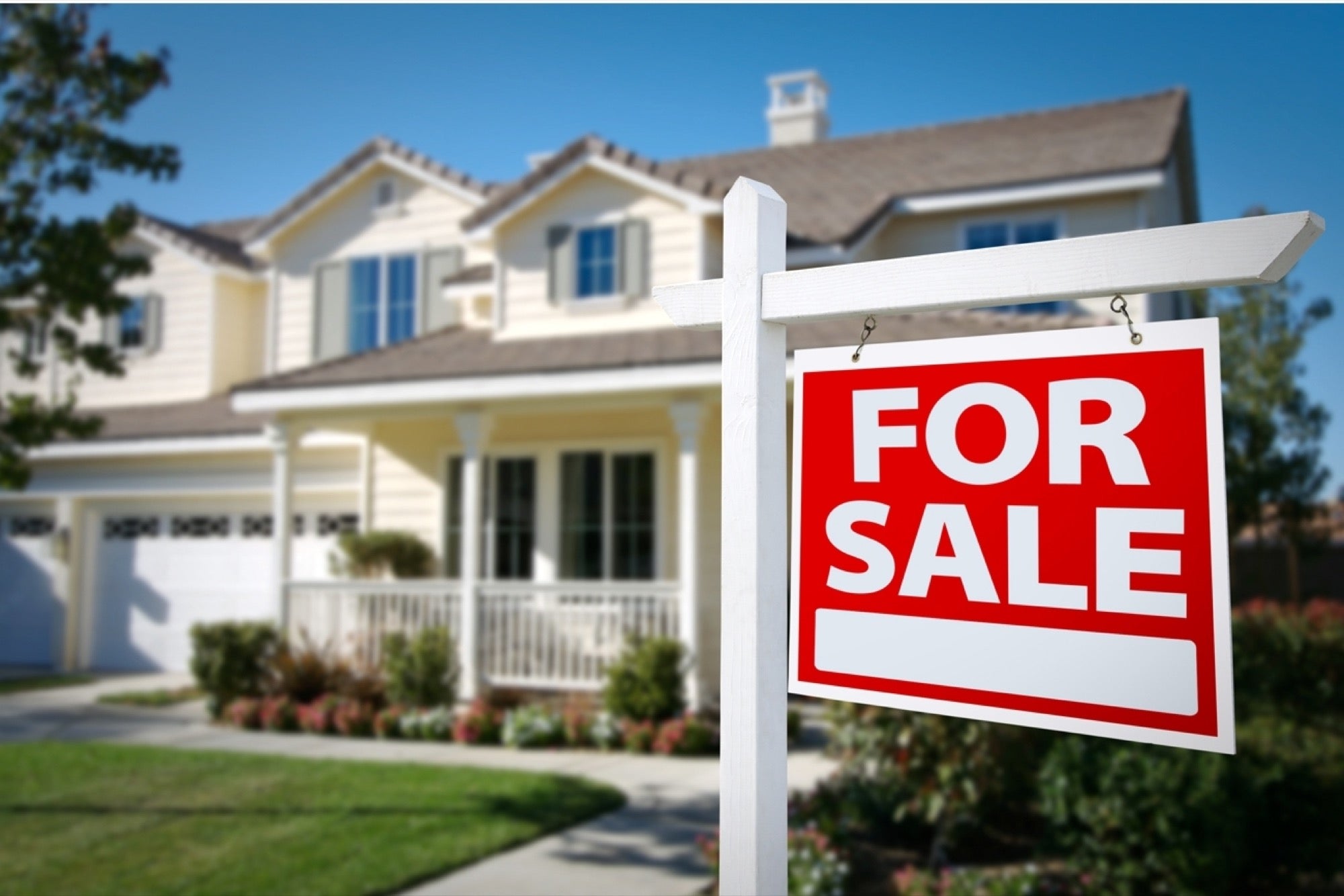 Before you look at a single listing, get your mortgage pre-approval completed and in hand. Not a rough estimate. Not a verbal confirmation from a loan officer you met once. A full pre-approval based on verified income, tax returns, bank statements, and a hard credit pull. Any agent worth working with will tell you the same thing: no pre-approval, no offer.
If the report surfaces findings that change the financial picture of the deal, you have real choices, and walking away is a legitimate one of them. You can walk away if the scope of the problems makes the agreed price no longer reasonable. What you should not do is panic and waive your right to negotiate.
Budget two to four percent of the purchase price for closing costs, on top of your down payment. First-time buyers often do not see the full closing cost picture until the Closing Disclosure arrives three days before settlement. Ask your lender for a Loan Estimate with a realistic purchase price so the numbers reflect what you are actually going to face.
For buyers with a stable income, a down payment of at least ten percent, and a concrete plan to stay in the home for at least five years, this market is more navigable than the headlines suggest. The homes that meet real criteria at a realistic price are still moving. They are going to the buyers who treated the process like the major financial decision it is.
 Real estate rewards preparation more than it rewards timing. The market does not wait for the ideal moment, and neither should buyers who have done the work. Start by browsing current homes for sale and market resources to build a realistic picture of your options.
No listing found.